Vintage crystal glass necklaces are more than just accessories; they are like time capsules, embodying the charm and sophistication of bygone eras. Let’s embark on a journey to explore the fascinating world of these exquisite adornments.
1. The Intricate Origins of Crystal and Glass
Crystal
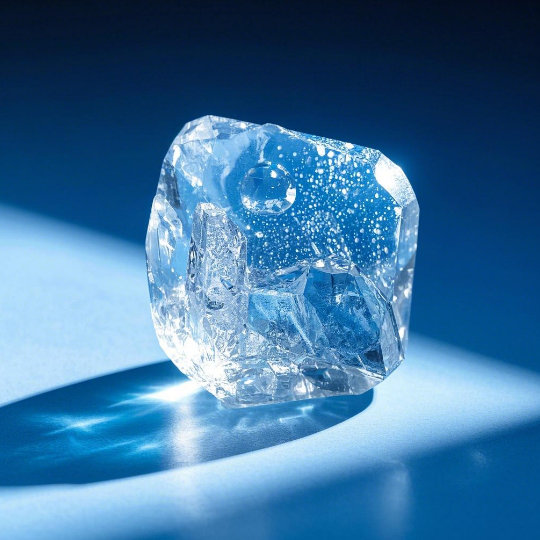
True crystal, often confused with crystal glass in the jewelry context, is a naturally occurring mineral with atoms arranged in a repeating pattern. However, the crystal used in jewelry, commonly known as crystal glass, owes its name to the Italian “Cristallo”. This type of crystal contains fortifying minerals such as lead oxide, enhancing its durability and allowing it to be molded into delicate and intricate forms. It is heavier, harder, and more expensive than regular glass, prized for its exceptional transparency and the way it catches and refracts light. [Insert a picture of a raw crystal specimen, highlighting its geometric structure]
Glass

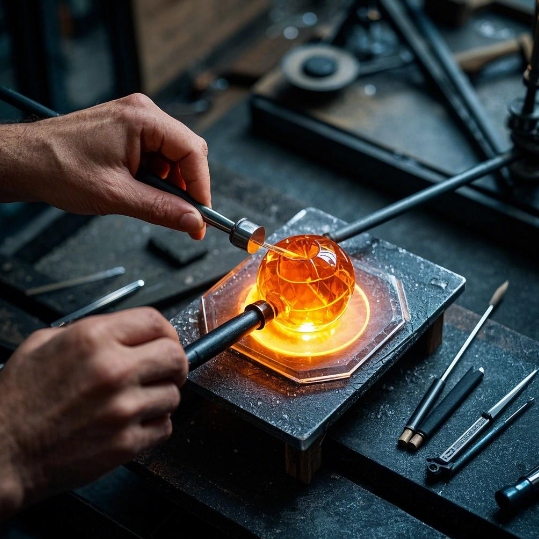
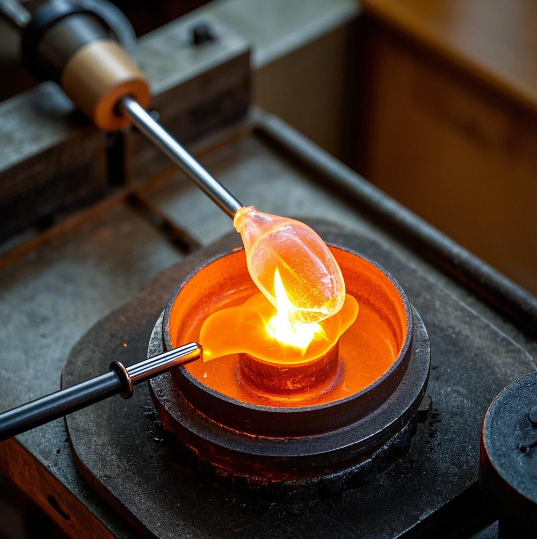
Glass is made from readily available natural resources such as sand, soda ash, and limestone. These ingredients, combined with recycled glass, are heated in a furnace until they liquefy, enabling artisans to shape them into various objects. Additional minerals can be added to control properties like color, durability, and thickness. [Show a picture of a glassblower at work, shaping molten glass]
2. Deciphering the Distinctions between Glass and Crystal
Appearance
Glass often has a slightly foggy appearance and can display tints based on its chemical composition. For example, iron in the glass can give it a greenish hue, while sodium calcium may result in a blue tint. In contrast, crystal offers remarkable transparency, making it an ideal choice for creating stunning jewelry pieces. [Include side – by – side images of a glass object with a tint and a clear crystal item, emphasizing the difference in clarity]
Weight
Due to the presence of lead or other metals in crystal, it weighs more than glass of the same design. This added weight gives crystal a substantial feel, contributing to its luxurious appeal. Glass, on the other hand, is relatively lightweight. [Illustrate with a balance showing a crystal necklace and a glass necklace of similar appearance, demonstrating the weight difference]
Thickness and Durability
Glass, with sodium calcium in its composition, has a higher working temperature and hardens quickly when heated, resulting in thicker edges. It is also more brittle than crystal. Crystal, containing lead carbonate and potassium carbonate, is tougher and more resistant to breakage. [Show a diagram comparing the cross – sections of a glass and a crystal object, highlighting the thickness and indicating the difference in durability]
Refraction of Light
Glass allows light to pass through with minimal refraction, much like regular window glass. It appears whiter and lacks the sparkle of crystal. Crystal, with its lead and metal content, refracts light beautifully, causing it to disperse into a rainbow of colors, adding to its allure in jewelry. [Display an image of light passing through glass and crystal, clearly showing the difference in the refraction patterns]
3. Unveiling the Secrets of Identifying Vintage Crystal Glass Necklaces
Sound Test
One of the simplest methods to distinguish crystal from glass is the sound test. Gently tap the necklace. Glass will produce a dull sound, while crystal emits a clear, resonant tone. [Show a picture of a person gently tapping a necklace and listening intently]
Visual and Tactile Cues
- Color and Sparkle: Vintage crystal glass necklaces often exhibit a higher transparency and more vibrant colors. The lead in crystal leads to a higher refractive index, creating a dazzling sparkle and a prismatic effect. For instance, an amethyst – colored crystal in a necklace will have a rich, vivid hue with a captivating sparkle.
- Weight: Crystal necklaces are heavier due to the lead oxide content. Hold a suspected crystal glass necklace; if it feels substantially heavier than a similar – looking glass one, it is likely crystal.
- Hardness: Crystal has a higher Mohs scale rating than glass. While glass typically has a hardness of around 5 to 5.5, crystal can range from 7 to 7.5 or higher, making it more resistant to scratches.
- Clarity: Crystal is usually more transparent, allowing light to bend and create a beautiful, luminous effect. Vintage crystal glass necklaces will have a clarity that glass imitations struggle to replicate.
- Texture: Both crystal and glass are hard and brittle, but crystal might have a smoother, more refined feel.
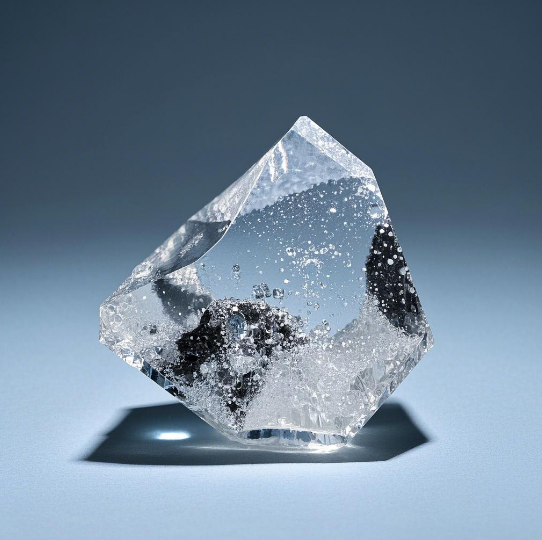
- Inclusions: The inclusions in crystal and glass differ. Crystal often has sharp inclusions, while glass inclusions tend to be rounded or curved.
- Temperature to Touch: Crystal feels cool to the touch, while glass can retain heat from the environment, feeling warmer. [Provide a series of images, each highlighting one of these characteristics for easy comparison]
4. Answering Your Burning Questions about Vintage Crystal Glass Necklaces
Why are Vintage Crystal Glass Necklaces Coveted?
These necklaces carry the charm and elegance of past eras. They often feature intricate designs and craftsmanship that are not commonly found in modern jewelry, making them unique and highly collectible.
How Can I Clean Vintage Crystal Glass Necklaces?
Gently clean them with a soft cloth dampened with mild soapy water. Avoid using harsh chemicals as they can damage the surface. After cleaning, dry the necklace thoroughly to prevent water spots.
What’s the Best Way to Store Vintage Crystal Glass Necklaces?
Store them in a soft pouch or a lined jewelry box to prevent scratches. Keep them away from direct sunlight and extreme temperatures to maintain their quality.
Are There Imitations of Vintage Crystal Glass Necklaces?
Yes, some manufacturers may attempt to replicate the look of vintage crystal glass necklaces using lower – quality materials like plastic or ordinary glass. Utilize the identification methods mentioned above to spot the differences.
5. Concluding Thoughts on the Timeless Beauty of Vintage Crystal Glass Necklaces
Vintage crystal glass necklaces hold a special place in the world of jewelry. Understanding the differences between crystal and glass and mastering the art of identifying authentic vintage pieces empowers you to make informed choices. Whether you’re a passionate collector or someone seeking a statement piece, these necklaces offer a touch of elegance and a connection to history. Embrace the allure of vintage crystal glass necklaces and let them enhance your personal style with their timeless charm. [Finish with a picture of a beautiful vintage crystal glass necklace, displayed in a way that showcases its intricate design and sparkling beauty]